
Upcoming Shows
See All-
10.27.2026Wellington, New ZealandMeow
-
10.27.2026Fort Lauderdale, FLCulture Room
-
10.27.2026Dallas, TXHouse of Blues Dallas
-
10.27.2026Seattle, WAMoore Theatre
-
10.27.2026Sacramento, CAThe Starlet Room




Listen
YouTubeFeatured Video
YouTubeFeatured Video
YouTubeFeatured Artist
See All
Nascar Aloe
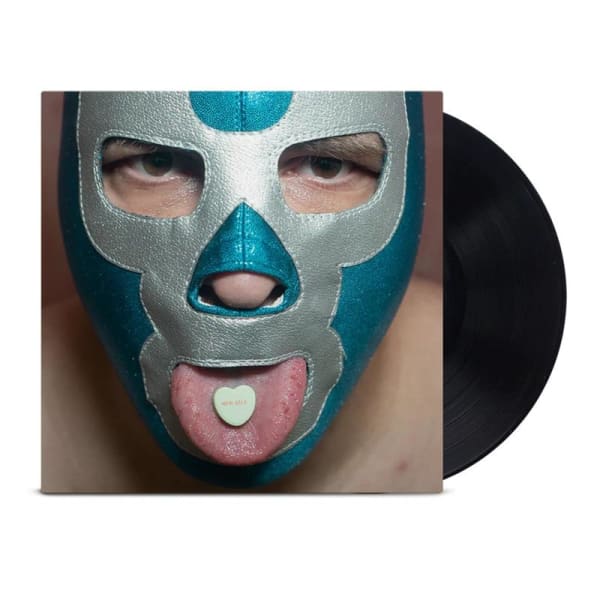
Nascar Aloe’s HEY ASSHOLE! EP is brash and in-your-face, just as the name suggests—and it’s also exactly what music needs right now. The Los Angeles-based musician has spent the last several years building a devoted fanbase for his audacious and genre-bending musical approach, embracing a gleefully caustic and immediately appealing perspective to the many lanes of overlap when it comes to rap and punk. With HEY ASSHOLE!, Nascar Aloe brings his most impactful and immediate music to date, combining his abrasive hip-hop style with new, rock-situated elements that continue to push his music forward. Defining himself as “a little fucking twerp that came out of my dad’s nutsack,” the North Carolina-born artist formally known as Colby Suoy was invested in music from an early age, as being exposed to his father’s jazz and R&B-leaning taste led to regular viewings of 106 and Park and exploring the expansive sounds of rock, pop, and country. “In North Carolina, the radio bounces all over the place,” he explains, and after acquiring some basic recording equipment he was following suit with his own self-produced music. “I self-taught myself how to record and produce,” Nascar recalls. “I was trying to figure out ways to make serious music.”
Featured Video
YouTubeFeatured Artist
See All
The Casualties
The Casualties are the voice of the disenfranchised, the disillusioned and the dispossessed of this planet. The band originally formed in 1990, but these street fighters are still angry, still political and are still keeping the heart and spirit of punk alive. Founded on a mission to revive the sound of punk pioneers like The Exploited and The Sex Pistols, they lyrically weave in scathing denouncements of authority into frantic anthems of resistance, totaling to eleven studio full-lengths, three EPs and three live albums so far. The Casualties are David Rodriguez (vocalist), Jake Kolatis (guitarist), Marc “Meggers” Eggers (drums) and Doug Wellmon (bass).